
Support Sustainable Local Food Systems

- Your individual Actions make a difference!
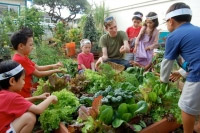 Support local school and community gardens and join the growing Farm to School movement.
- Support non-profits working on Farm to School and school garden projects
- Grow your own food at home or in a community garden
- Reduce your food waste and learn how to compost your food scraps
Support the movement for healthy, affordable and sustainable food! Support the National Farm to School Network, working to provide children with access to healthy, locally grown school food, and to enhance hands-on learning through classroom education and school gardens.
Explore The Edible Schoolyard Project, an All At Once nonprofit partner creating edible education curriculum and promoting gardens as interactive classrooms. Educators can download a Gardening Toolbox of activities at KidsGardening, or explore online tools and recipes to transform school food into healthy meals for kids at The Lunch Box. Consider becoming a FoodCorps service member, another All At Once partner, and work to build and expand school gardens across the United States.
Learn more about the Real Food Challenge, recently relaunched and pushing colleges and universities to redirect food spending toward local, fair, and ecologically sound sources, or help inspire a sustainable food dialogue by sharing model university initiatives such as the UC Santa Barbara Edible Campus Program, launched with mentorship and funding from the Johnson Ohana Foundation. Connect with other All At Once food partners on tour this year, including Gardeneers, Common Threads, and The Farmlink Project, all working in different ways to build stronger local food systems.
Start or enhance a school or community garden and apply for a SeedMoney garden grant, or support local community garden projects.
Take action and reduce your food waste with resources from Copia, which works with businesses to redistribute surplus food to feed people in need, or The Farmlink Project, connecting farms with surplus to communities facing food insecurity.

Make conscious purchasing decisions!
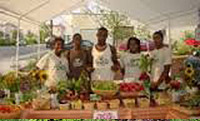
Choose to buy seasonal, locally grown, organic food.
- Shop at your local farmers market or join a CSA (community supported agriculture)
- Seek out businesses that offer local and sustainable food choices
- Support local family farms to strengthen regional markets and access to healthy food
From field to fork, an average dinner travels 1,500 miles. But your food doesn’t have to travel halfway around the planet. When you buy from local farms, your dollars stay within your community and support local farmers. When you choose organic, you are investing in healthy food and a clean environment.
Visit www.LocalHarvest.org for a farm or market near you. Promote Wholesome Wave and their innovative programs enabling underserved consumers to make healthier food choices by increasing access to healthy and locally grown food. Get connected with the Slow Food movement, which now supports a growing global network of Slow Food Farms practicing agroecological growing methods, to raise awareness about how our food choices can positively influence how food is cultivated, produced and distributed.
Learn more about businesses and organizations that are creating solutions and driving positive change in the food industry. The Chef Ann Foundation helps school districts band together through Values-Aligned Purchasing Collectives to buy local, organic, and sustainably grown food at scale. Many business members of 1% For The Planet are supporting sustainable local food systems. Patagonia Provisions recognizes that what and how we choose to eat makes a significant impact on the environment and offers a growing selection of foods that address environmental issues and support local food producers. The Monterey Bay Aquarium Seafood Watch programs helps consumers make better seafood choices for a healthy ocean, offering Consumer Guides and a convenient Seafood Watch App to locate or share businesses that serve sustainable seafood.
Support Farm Aid and their effort to keep family farmers on their land. Farm Aid supports family farmers by inspiring people to choose local food from family farms. Explore Farm Aid’s 10 Ways to Support Family Farm Agriculture for concrete action steps, or check out their HOMEGROWN 101s to learn skills like growing, cooking, and food preservation. Want food rescue closer to a stage near you? The Farmlink Project connects farms with surplus food to communities facing food insecurity.

Let your voice be heard!
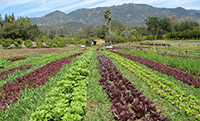
Speak up for your vision of a sustainable local food system.
- Join the policy discussion focused on sustainable local food systems
- Promote food security by engaging the next generation of young farmers
Healthy food should be available and affordable to everyone. Policies should be implemented to improve food access and food security, transform the school food program, and educate the public about food choices that strengthen local markets and support sustainable family farms.
Get educated about important sustainable agriculture policy issues through organizations and forums such as the American Farmland Trust, the National Sustainable Agriculture Coalition, and The Land Stewardship Project.
Recent agricultural census figures show the fastest growing group of farmers and ranchers are those over age 65. With growing demand for food production, it is essential to prepare and support the next generation of farmers. Speak out in support of organizations such as the National Young Farmers Coalition, which is currently mobilizing 250,000+ grassroots supporters behind its One Million Acres for the Future campaign to expand equitable land access in the next Farm Bill, and FamilyFarmed, providing farmer training programs across the country and expanding the production and distribution of locally grown food.
Healthy food should be available and affordable to everyone. Policies should be implemented to improve food access and food security, transform the school food program, and educate the public about food choices that strengthen local markets and support sustainable family farms.